
Key points
- Mosquitoes spread diseases including malaria, dengue, Japanese encephalitis, yellow fever and Ross River virus.
- Use a repellent containing DEET or picaridin on exposed skin, and reapply as directed.
- The mosquitoes that spread dengue bite during the day, while malaria mosquitoes mostly bite between dusk and dawn.
- Vaccines exist for yellow fever, Japanese encephalitis and dengue (for some travellers), but bite prevention is still essential.
Reviewed and updated November 2026.
Update: Since this article was published, a dengue vaccine has become available in Australia for some travellers. See our guide to dengue fever and the dengue vaccine.
Essential Mosquito Protection Tips for Travellers
Travelling to tropical or subtropical destinations is thrilling, offering cultural experiences, breathtaking landscapes, and diverse wildlife. However, mosquitoes can quickly turn your dream trip into a nightmare. More than just a nuisance, they can transmit diseases like malaria, dengue fever, Zika virus, Japanese encephalitis, Ross River virus, West Nile fever, yellow fever and chikungunya. To help you enjoy your trip, here are the essential mosquito protection tips for travellers.

Know the Risks
Before you travel, research the mosquito-borne diseases prevalent at your destination. Understanding the risks helps you prepare effectively. The Centre for Disease Control (CDC) and World Health Organisation (WHO) provide up-to-date information on disease outbreaks and recommended precautions. Talk to your travel doctor!
Pack Smart
When packing, include essentials for mosquito protection:
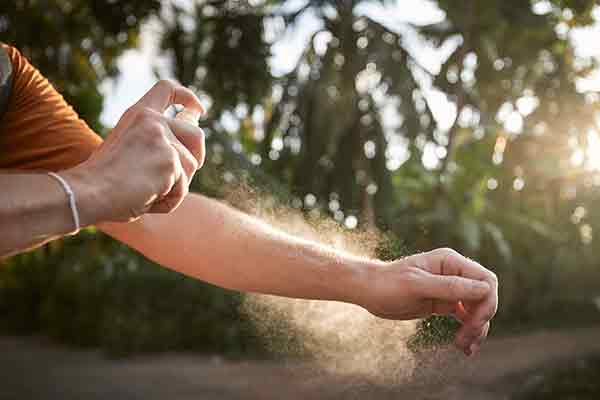
Insect Repellent: Choose one with DEET, picaridin, or oil of lemon eucalyptus, and apply it to exposed skin. Make sure you check the times for reapplication.
Permethrin-Treated Clothing: Consider treating your clothes with permethrin or buy pre-treated gear to repel and kill mosquitoes
Mosquito Net: Essential in areas where malaria is a concern or if your accommodation lacks screens or air conditioning. Treated nets offer additional protection.
Long-Sleeved Clothing: Lightweight, loose-fitting, long-sleeved shirts and pants add a protective barrier. Mosquitoes can bite through tight fitting clothing.
Choose Well-Screened Accommodation
Select accommodations with air conditioning to reduce mosquito exposure. If air conditioning isn’t available, ensure windows and doors have screens or use a mosquito net. Rooms on higher floors tend to have fewer mosquitoes.
Be Aware of Your Environment
Mosquitoes are most active at dawn and dusk, so take extra precautions during these times. Avoid areas with stagnant water, like ponds or puddles, as they are prime breeding grounds. If you’re outdoors in the evening, use repellent and cover up with long sleeves.
Malaria Prevention and Vaccinations
In malaria-prone areas, talk to your travel doctor about malaria prevention and follow their advice before, during and after your trip. For many other mosquito-borne diseases there are no vaccines however, so mosquito preventive measures are your best defence. There are vaccines for yellow fever and Japanese encephalitis – discuss this further with your travel doctor.
Protect Yourself While Sleeping
If you’re in a mosquito-prone area, always sleep under a mosquito net, especially if your room isn’t air-conditioned or screened. Tuck the net securely under your mattress. A fan can also help, as mosquitoes struggle to fly in strong air currents.
Monitor Your Health Post-Travel
Some mosquito-borne diseases have delayed symptoms, so continue to monitor your health after returning home. If you develop symptoms like fever, chills, muscle aches, or a rash, seek medical advice and inform your healthcare provider about your recent travels.
Travelling offers incredible experiences, but it’s important to protect yourself from the health risks that come with it. By following these tips, you can enjoy your adventure while minimising the risk of mosquito-borne diseases. Stay informed, pack wisely, and have a safe journey!
Written by Dr Casey Yu, Ti-Tree Family Doctors
Frequently asked questions
Which mosquito repellent should I use?
Repellents containing DEET or picaridin are commonly recommended by Australian health authorities. Bring repellent from home, as products overseas may not meet Australian standards.
When do mosquitoes bite?
It depends on the type. Dengue mosquitoes bite during the day, while malaria mosquitoes mostly bite from dusk to dawn, so protect yourself at all times in risk areas.
Sources
- Healthdirect: Dengue fever
- Healthdirect: Malaria
- Australian Centre for Disease Control: Japanese encephalitis
Related travel health guides
- Japanese Encephalitis and Mosquito-Borne Diseases in Australia
- Yellow Fever Vaccine in Australia
- Malaria Prevention: A Guide for Australian Travellers
Planning a trip? A TMA travel doctor can tailor your vaccines and travel health advice to your itinerary.