
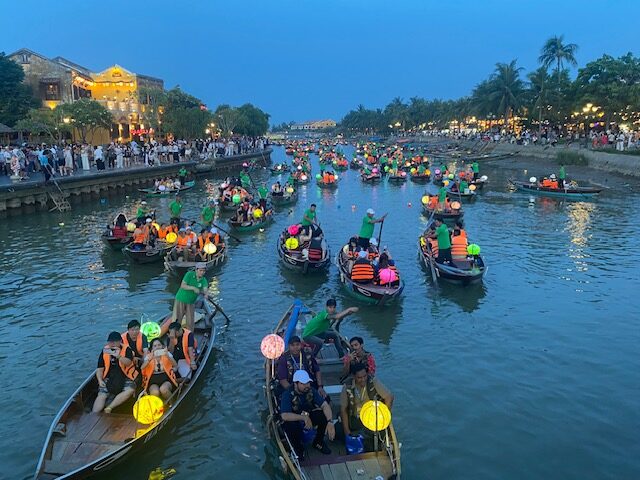
Vietnam is one of those places that hits you in the senses (in the best way): lantern-lit rivers in Hội An, buzzing streets in Saigon, day trips to jungle, coastline, and everything in between. It’s also a destination where a little pre-travel health prep can save your trip from becoming a “hydration salts and regret” storyline.
Below is a practical, clinic-style guide to travel health for Vietnam — what vaccines are commonly recommended, how to manage mosquito-borne risks, food and water tips that actually work, and a packing checklist you’ll thank yourself for.
Why a pre-travel appointment matters for Vietnam
Vietnam travel health isn’t one-size-fits-all. Vaccine and medication advice changes depending on:
-
where you’re going (cities vs rural/highland/border regions)
-
the time of year (wet season = more mozzies)
-
trip length and style (resorts vs backpacking/motorbiking)
-
your medical history, medications, pregnancy status, and immune system
A quick consult lets your travel doctor tailor the plan so you’re not overdoing it — or missing the one thing that matters for your itinerary.
Timing tip: Book your travel consult 6–8 weeks before departure where possible (but even 1–2 weeks out is still worth doing).
Travel vaccines commonly recommended for Vietnam
1) Make sure routine vaccines are up to date
These are often forgotten, but they matter:
-
Tetanus / diphtheria / whooping cough (dTpa)
-
Measles / mumps / rubella (MMR)
-
Influenza
-
COVID-19 (if you choose)
If you’re unsure, your travel clinic can check what you’ve likely had and what you may need.
2) Common travel vaccines for Vietnam
Many travellers are advised to consider:
-
Hepatitis A (food/water exposure risk)
-
Typhoid (food/water exposure risk, especially for street food and regional travel)
Depending on your trip, you may also be advised to consider:
-
Hepatitis B (medical procedures, tattoos, new sexual partners, longer stays)
-
Rabies (higher risk if you’ll be around animals, children, caves/temples with monkeys, rural areas, or you’re travelling for longer)
-
Japanese encephalitis (risk increases with rural travel, extended trips, farming/wetland regions, and evening outdoor exposure)
Your travel doctor will match recommendations to your route and risk tolerance — especially if you’re doing a mix of Saigon/Hanoi plus countryside, overnight trains, or motorbike travel.
3) Yellow fever certificates (often misunderstood)
Vietnam doesn’t require yellow fever vaccination for travellers arriving directly from Australia. However, some countries require proof of yellow fever vaccination if you’ve transited through or travelled from a yellow-fever-risk country. This is itinerary-specific — worth checking if your trip includes Africa or parts of South America before/after Vietnam.
Mosquito-borne illnesses: what to know (and how to prevent bites)
Dengue is the big one
Dengue is present in Vietnam and can occur in both urban and regional areas. There isn’t a simple “take a tablet and you’re fine” solution for most travellers — bite prevention is your best protection.
Do this consistently:
-
Use repellent with DEET or picaridin every day (especially dawn/dusk)
-
Wear long sleeves/long pants in the evenings
-
Choose accommodation with screens/air con where possible
-
Consider permethrin-treated clothing if you’re outdoors a lot
Malaria: depends where you’re going
Malaria risk is not uniform across Vietnam. Big cities and many tourist-heavy coastal areas can be low risk, while some rural, forested, highland and border regions can be higher risk.
This is why generic advice from a blog or a mate isn’t enough — malaria prevention can range from:
-
bite prevention only, or
-
bite prevention plus malaria tablets (chemoprophylaxis), depending on your itinerary
If you tell your clinic where you’re sleeping and how you’re travelling, they can give you a clear yes/no on tablets and the right option if needed.
Food and water: enjoy Vietnam without the “trip-ending tummy”
Vietnam’s food scene is elite. You don’t need to avoid street food — you just need to be smart.
Lower-risk habits that actually help:
-
Choose busy stalls with high turnover (food is freshly cooked)
-
Eat hot food served hot
-
Be cautious with salads/uncooked garnishes if you’re already run down
-
Use bottled/filtered water for drinking and brushing teeth if you’re going rural
-
Wash/sanitise hands before eating (especially after markets + public transport)
What to do if diarrhoea hits
Most traveller’s diarrhoea is self-limiting, but dehydration can ruin you quickly in Vietnam’s humidity.
Basic plan (general advice):
-
Start oral rehydration salts early
-
Keep fluids up (little and often)
-
Consider a “just in case” travel kit your doctor can recommend (based on your health history and destination)
If you develop fever, blood in stool, severe pain, or symptoms persist — that’s a medical review situation.
Animal bites and scratches: don’t wait and see
Between stray dogs, temple monkeys, and general animal contact, bites and scratches happen — often when people are feeding or patting animals, or when kids get excited.
If you’re bitten or scratched:
-
Wash immediately with soap and running water for at least 15 minutes
-
Apply an antiseptic (if available)
-
Seek medical advice promptly — rabies risk is time-sensitive
Pre-travel rabies vaccination isn’t mandatory for everyone, but it can make post-exposure treatment simpler and reduce risk if you’re far from quality care.
Heat, humidity, and “quiet” travel risks people forget
Vietnam’s climate can flatten even fit travellers — especially if you’re walking 20,000 steps a day plus scooters, markets, and no air con.
Common preventable issues:
-
dehydration + heat exhaustion
-
sunburn (UV still bites through haze)
-
skin infections from bites + scratching
-
flare-ups of asthma/allergies in pollution-heavy areas
Simple fixes:
-
electrolytes on high-activity days
-
sunscreen daily
-
breathable long clothing in evenings (for mozzies + sun)
-
don’t ignore early heat symptoms (headache, nausea, dizziness)
What to pack for Vietnam (travel medicine edition)
Must-haves:
-
DEET or picaridin insect repellent
-
oral rehydration salts (ORS)
-
a basic first aid kit (band-aids, antiseptic, blister care)
-
sunscreen + after-sun
-
hand sanitiser
-
any regular medications in original packaging (plus a spare supply)
Depending on you + your itinerary (discuss with your clinic):
-
motion sickness meds (boats, buses, winding mountain roads)
-
antihistamines (bites/allergies)
-
a tailored “just in case” gastro kit
-
malaria tablets (only if indicated for your route)
When you get home: don’t ignore symptoms
If you feel unwell after travel — especially fever, severe fatigue, persistent diarrhoea, rash, or respiratory symptoms — mention your Vietnam travel history to your GP or travel clinic. Some infections present after you return, and the travel context helps doctors test properly.
If you’re travelling to Vietnam, bring your rough itinerary (cities, countryside, islands, length of stay) to your travel health appointment. Your travel doctor can confirm which vaccines you need, whether malaria tablets apply to your route, and help you build a simple, realistic plan to stay well while you’re away. Find your nearest Travel Doctor here.